Table of Contents
Openly communicate with your specialist about any problems or adjustments in your psychological wellness, and with each other, you can figure out the most appropriate training course of action. Open and sincere interaction with your therapist is vital when discussing the frequency of the sessions. Right here are some tips on just how to efficiently connect your requirements and worries: Take a while to review your treatment experiences and how the existing frequency is impacting your progression and well-being and whether you need.

Take these referrals right into consideration and talk about any kind of bookings or problems you may have. Keep in mind, your specialist is there to sustain you in your mental health trip. By preserving open and transparent communication, you can collaborate to discover the regularity that best sustains your development and well-being.
Nevertheless, it's necessary to recognize that the regularity of sessions can be changed based upon the customer's requirements and development. If you're battling with clinical depression and locate that you want more support, it's completely practical to reveal your need to see your specialist more frequently. Strongly stating, "I intend to see my specialist extra usually," throughout a session can open up the door to reviewing prospective changes in session frequency.
Liberation from Self-Criticism
Sometimes, clients with more serious depression or who regularly have ideas of suicide or self-harm may take advantage of DBT. When you're taking part in DBT you normally will have a weekly private therapy session, an once a week 2 hour group abilities training session and some mentoring calls with your therapist. So, that's a bigger time dedication however is an incredibly efficient way to deal with anxiety.
We are dedicated to offering the degree of treatment that finest supports your trip toward enhanced psychological wellness and well-being. Therapy frequency is an important facet of mental health treatment, and it's vital to locate the appropriate equilibrium that matches your distinct needs. While therapy every 2 weeks can be appropriate for some individuals, it may not supply the essential assistance and progression for others.
It's important to keep in mind that treatment is not one-size-fits-all, and the perfect frequency of sessions can differ dramatically from person to individual. For some, therapy every 2 weeks may suffice, specifically when they are in a steady stage of their treatment journey. This regularity enables more prolonged periods of self-reflection and method of the skills discovered in treatment.
Overcoming Anxiety via Effective Methods
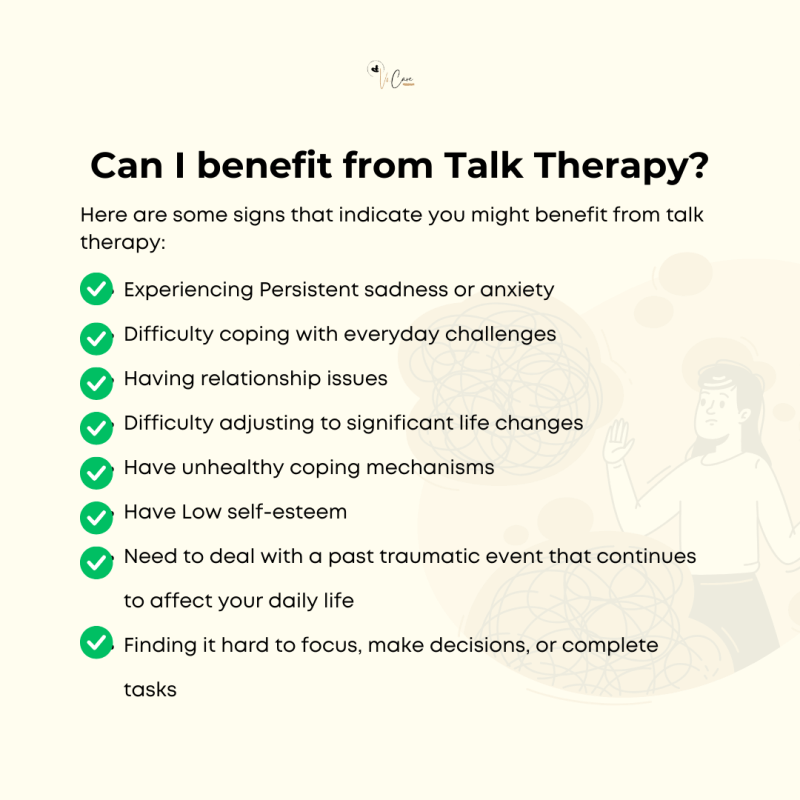
Throughout this time around, the frequency of sessions may need to be readjusted based on your development and progressing requirements. In many cases, treatment once a week isn't adequate to attend to intricate mental health problems or serious symptoms. For instance, individuals handling trauma or serious anxiety might take advantage of even more frequent sessions to make certain consistent assistance and symptom management.
Don't be reluctant to get to out and have an open discussion with us regarding your treatment regularity. Together, we can establish the finest method to support your psychological health and wellness and health efficiently.
At Aspire Counseling, we're below to lead you every step of the means.
Why Therapy for perfectionism Promotes Wellness
Therapy regularity isn't one-size-fits-all. Exactly how usually you should go to therapy depends on your personal goals, psychological health condition, and the type of therapy session you're participating in. A lot of people start with regular treatment sessions, but over time, that cadence can move.

When you're resolving a serious mental disease, finding out emotional guideline abilities, or resolving significant life modifications, regular consultations create framework and momentum. As your signs maintain or goals change, you could transition to bi-weekly sessions or perhaps a monthly session. These much less constant check-ins can still supply accountability and space for reflection, especially when therapy is part of a wider self-care or healthcare routine.
Therapy is most efficient when it's constant. The pace of your sessions directly affects exactly how quickly and deeply you can process your feelings, establish understanding, and make behavior adjustments.
Bi-weekly sessions offer more flexibility and are frequently utilized after preliminary progress has actually been made. This regularity may be ideal for people that are in a much more stable location or are taking care of mild signs and symptoms. That said, the extended void between sessions may restrict chances for real-time support and slow down the pace of change.
Liberation from Self-Imposed Pressure
In these instances, regular sessions supply a supporting pressure, developing room for safety, processing, and emotional regulation. Some people likewise go to therapy much more often if they are going through relationship has a hard time or if they are engaged in pairs and household treatment as well as individual therapy.
Pairs therapy might likewise require a more regular tempo throughout times of dilemma or problem to restore trust fund and communication. A monthly session can be reliable for those in upkeep modepeople who have actually completed the a lot more intensive component of their therapy trip and now look for periodic check-ins to remain based.
The very best way to identify the ideal speed is through an open discussion with your therapist. They'll aid examine your objectives, progress, and needsand advise a proper routine. Treatment regularity ought to develop with you. Lots of people begin with regular treatment sessions to develop connection and energy. Gradually, as coping approaches become force of habit and difficulties are dealt with, you may transfer to bi-weekly sessions or monthly maintenance sessions.

Navigation
Latest Posts
Conquering Overwhelming Anxiety: An In-Depth Exploration
Insurance Navigation for Obsessive-Compulsive Disorder and OCD Therapy
On-Site Therapy for perfectionism Sessions Support